


Gold has been valued for thousands of years.
Yet the reasons people buy it today are as varied as the people themselves.
Whether they’re seeking growth, protection, or peace of mind, investors often turn to gold for very different reasons.
So, what’s the point of buying gold?
Please note: All content is provided strictly for general informational and educational use. This information should not be interpreted as financial advice, nor should it replace professional consultation with an advisor.
What’s the point of buying gold?
- To preserve wealth over the long term
- To hedge against currency debasement and inflation
- To own a safe-haven asset during periods of uncertainty
- To diversify an investment portfolio
- To own an asset with no counterparty risk
- To own a highly liquid asset
- To benefit from rising gold prices
People buy gold for many different reasons, and most investors have more than one.
Some are motivated by preserving wealth over generations, while others focus on managing portfolio risk or protecting against economic uncertainty.
The most common reasons people buy gold include:
To preserve wealth over the long term
For many investors, preserving wealth is the primary reason to own gold.
Cash gradually loses purchasing power as prices rise, while many financial assets depend on economic growth or corporate performance. By contrast, gold derives its value from its unique economic properties, its lasting durability, and its broad acceptance historically as a monetary asset.
To hedge against currency debasement and inflation
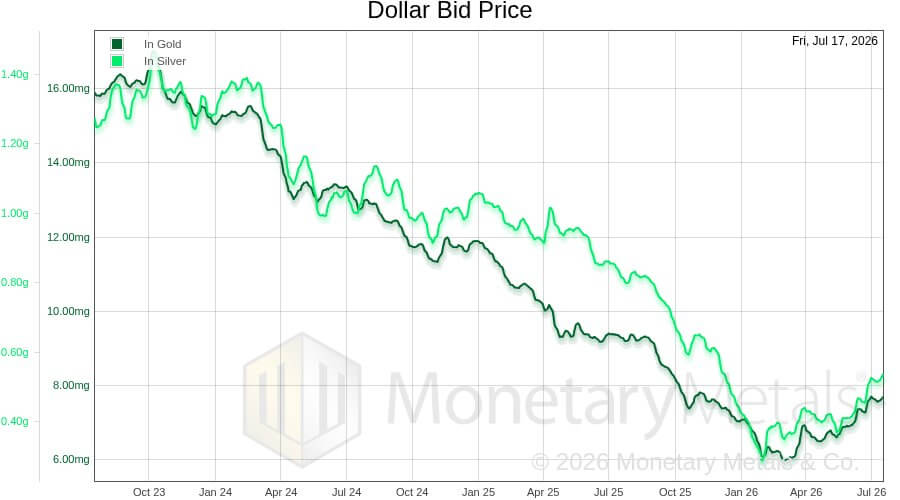
Debasement reduces a currency’s purchasing power by increasing its supply. Inflation measures an often accompanied general rise in the prices of goods and services.
Both erode what money can buy over time.
As confidence in a currency weakens, investors often seek assets that exist independently of the monetary system.
Because central banks and governments can’t simply expand the total supply of gold, it has historically preserved value over extended periods.
To own a safe-haven asset during periods of uncertainty
When markets become volatile or geopolitical tensions rise, investors often look for assets they believe can better withstand periods of uncertainty.
During financial crises, banking stress, wars, or other periods of instability, investors frequently increase their allocation to gold as part of a broader risk-management strategy.
Gold has earned a reputation as a safe-haven asset because it’s:
- globally recognized
- highly liquid
- not dependent on the financial health of a particular company or government.
This doesn’t mean that gold prices always rise during every crisis, nor does it eliminate investment risk. Rather, many investors view it as an asset that can help provide stability when confidence in other parts of the financial system begins to weaken.
To diversify an investment portfolio
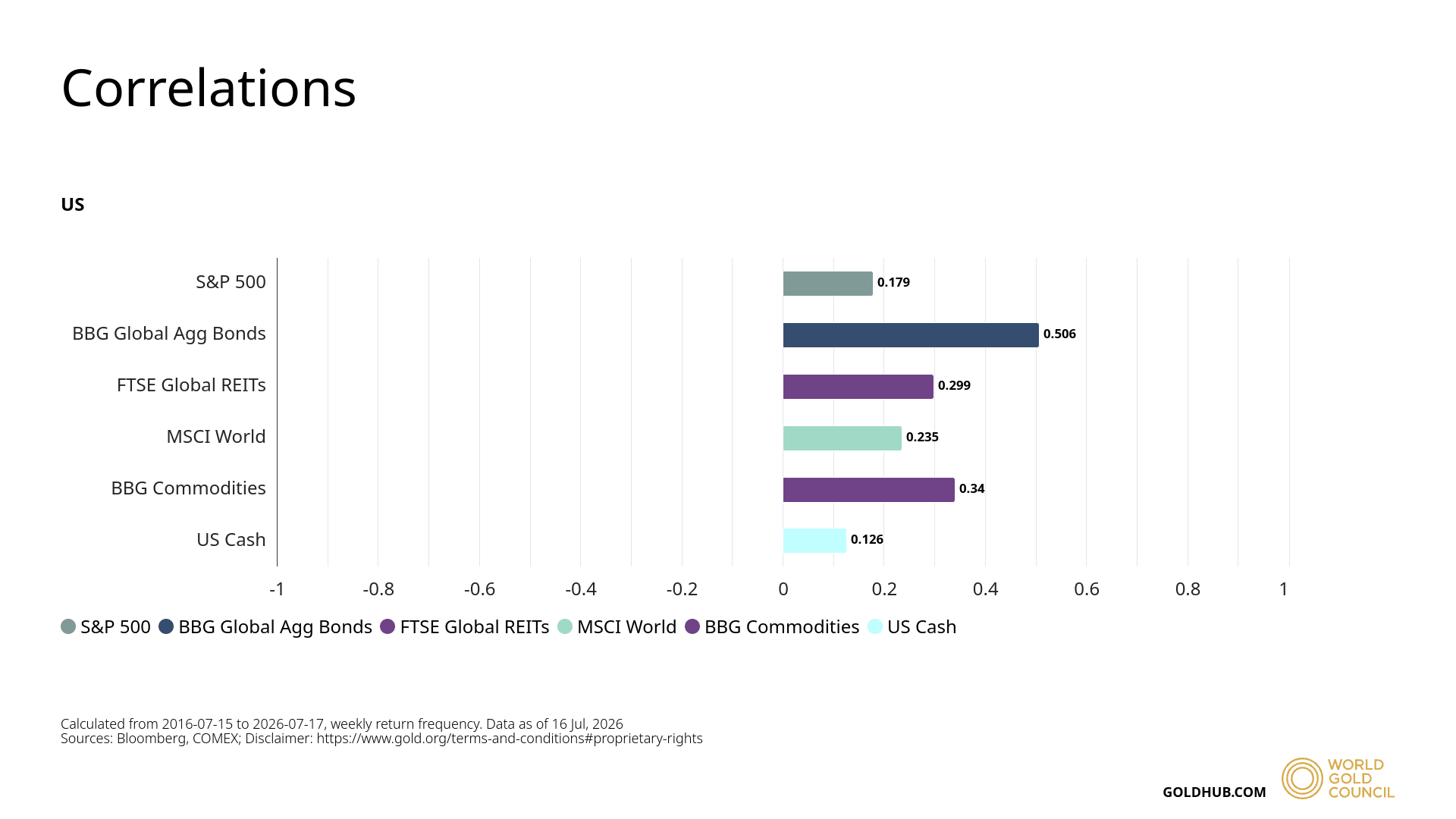
Diversification recognizes an important reality: no one knows which asset class will perform best in the future. Owning a mix of assets with different characteristics can help reduce concentration risk and improve portfolio resilience over the long term.
Gold often responds differently than stocks and bonds to changing economic conditions. While correlations vary over time, gold has historically behaved differently enough to provide diversification benefits in many market environments.
To own an asset with no counterparty risk
Most financial assets ultimately depend on someone else’s promise.
- A bond depends on the issuer repaying its debt.
- A bank deposit depends on the bank remaining solvent.
- Fiat currencies rely on confidence in the issuer.
Physical gold is different. When you own physical gold directly, it’s not someone else’s liability.
- It doesn’t depend on a company’s earnings.
- It doesn’t depend on a government’s fiscal position.
- It doesn’t depend on another party’s ability to fulfill a contractual obligation.
To own a highly liquid asset
Gold is one of the most widely recognized and actively traded assets in the world.
Because gold is standardized, universally recognized, and continuously traded, investors can often convert it into cash relatively quickly compared to many other physical assets.
This liquidity can be particularly valuable during periods of market stress, when selling assets quickly becomes more important.
Of course, liquidity depends on the form of gold you own, market conditions, and the venue through which you buy or sell. Even so, physical gold remains one of the world’s most liquid tangible assets.
To benefit from rising gold prices
Not everyone buys gold for defensive reasons. Some investors purchase gold because they expect its price to increase.
Unlike investors whose primary objective is preserving purchasing power, these buyers seek capital appreciation.
Gold’s price has experienced extended bull markets throughout history, creating opportunities for investors who correctly anticipate changes in market conditions.
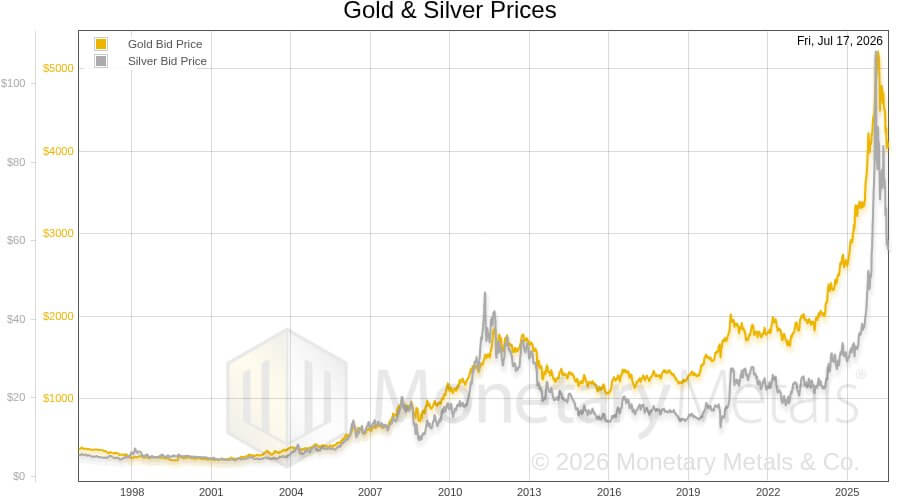
While no asset’s future performance is guaranteed, the potential for price appreciation remains one of the reasons many investors choose to own gold.
What are the disadvantages of investing in gold?
- Price volatility
- Ongoing ownership costs
- Traditional gold ownership doesn’t generate income
Gold can play many different roles within a portfolio, but no investment is without its drawbacks. Whether you’re investing in gold or gold investing, understanding these limitations can help you decide whether gold deserves a place in your portfolio
Price volatility
Although many people think of gold as a stable asset, its price can fluctuate significantly over shorter periods.
Like any freely traded asset, gold responds to changes in investor sentiment, interest rates, central bank policy, currency movements, and broader economic conditions.
These factors can cause prices to rise or fall, and sometimes sharply.
Ongoing ownership costs
Owning physical gold often comes with costs beyond the purchase price.
Many investors choose to store their gold in professional vaults, where storage and insurance fees help protect it from theft or damage. Others store it themselves, accepting the responsibility and security considerations that come with self-custody.
Buying and selling gold can also involve dealer premiums and bid-ask spreads, which affect an investor’s overall return.
While these costs may be worthwhile for investors seeking the benefits of physical gold ownership, they remain an important consideration.
Traditional gold ownership doesn’t generate income
Unlike dividend-paying stocks, interest-bearing bonds, or rental real estate, physical gold doesn’t traditionally produce income while you own it.
Instead, investors have historically relied on gold’s price appreciation to generate a return. If the price remains unchanged, their wealth also remains unchanged.
For investors focused on preserving wealth, this may be an acceptable tradeoff. Others may prefer assets that generate an ongoing return while still providing exposure to gold.
Do you have to accept the traditional limitations of owning gold?
Not necessarily.
The disadvantages discussed above largely reflect traditional gold ownership. In this arrangement, investors buy gold, store it, and hope for its price to appreciate over time.
Today, there are other ways to own gold, such as gold leasing.
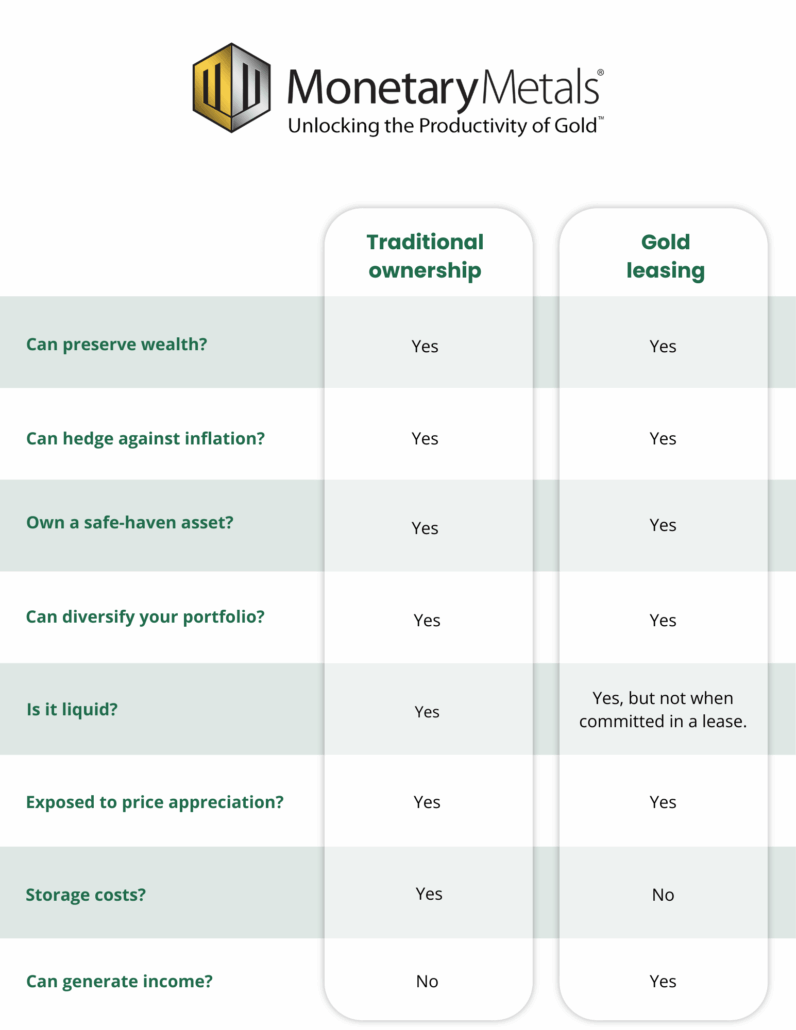
To preserve wealth or generate a return?
Gold leasing combines these objectives.
You can earn a yield on your physical gold by leasing it to businesses that use it as part of their normal operations.
And unlike selling your gold, you retain ownership while your metal is put to productive use.
People lease gold for the same reasons they buy gold
- Preserve wealth over the long term. You continue owning physical gold while earning additional ounces over time.
- Hedge against currency debasement and inflation. By owning gold instead of cash, you retain exposure to an asset that’s historically preserved purchasing power.
- Own a safe-haven asset during periods of uncertainty. Leasing doesn’t change gold’s role as a globally recognized safe-haven asset.
- Diversify an investment portfolio. Gold remains a distinct portfolio asset while generating a yield.
- Own an asset with no counterparty risk. While the lease agreement introduces carefully managed counterparty risk, the gold itself remains your tangible asset.
- Own a highly liquid asset. While leased ounces are committed until the lease matures, gold remains highly liquid, and can be liquidated or withdrawn when no longer committed.
- Benefit from rising gold prices. You retain exposure to gold’s price while earning a yield denominated in gold.
Gold leasing addresses the limitations of traditional ownership
- Price volatility matters less. By earning a yield, leasing helps you guard against volatility because temporary declines may have less impact on long-term results.
- Don’t pay to own gold, get paid to own it. With no storage fees and lessees paying for most insurance coverage, leasing can offset the hidden cost of a rising gold price.
- While traditional gold ownership doesn’t generate income, leasing empowers you to earn passive income in gold while continuing to own your physical metal.
Discover a smarter way to own gold at Monetary Metals
People buy gold for many reasons.
Some want to preserve wealth. Others seek diversification, protection from currency debasement, or a safe-haven asset during uncertain times.
Those motivations remain just as relevant today as they’ve been throughout history.
What has changed is that you no longer have to choose between owning gold and putting it to work.
At Monetary Metals, our carefully structured lease opportunities enable investors like you to earn a yield on their physical gold. Instead of letting your gold sit idle, you can continue owning it while potentially increasing the number of ounces you hold over time.
To learn more about putting your gold to work while preserving the benefits that made you buy it in the first place, explore the Gold Yield Marketplace® today.