

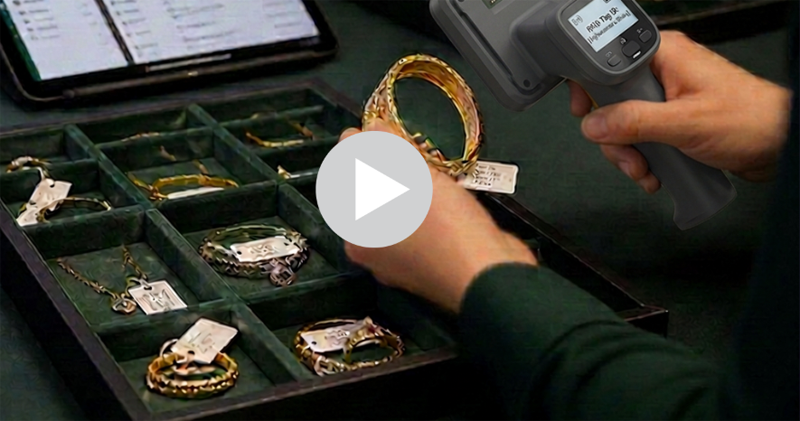
Jewelry inventory is unlike ordinary retail inventory. A single item can carry significant value, move frequently between cases, counters, safes, repairs, sales and returns, and require accurate records across metal, stones, style, location, ownership status and transaction history.
For jewelry businesses, inventory management is more than an operational task. It affects security, working capital, insurance, financing, customer trust and long-term growth.
Modern jewelry inventory management brings systems, processes and verification together so businesses can maintain clearer visibility into what they hold, where it is and how it moves.
Why jewelry inventory matters
Jewelry businesses operate with inventory that is high value, portable and complex. When inventory includes gold, diamonds, precious stones or consigned goods, even small discrepancies can carry significant financial and operational consequences.
Strong inventory management helps jewelry businesses:
- Track high-value items more accurately
- Reconcile movement across locations and transactions
- Reduce manual errors and operational gaps
- Strengthen visibility for owners, managers and stakeholders

Why jewelry inventory is difficult to manage
Jewelry inventory is difficult to manage because items move frequently across people, places and systems. A single piece may be tagged, displayed, transferred, sold, returned, repaired or consigned, and require item-level and portfolio-level reporting.
Common challenges include:
- Frequent movement of small, high-value items
- Manual counts and paper-based audit processes
- Inconsistent item attributes or product data
- Limited visibility across locations and systems

Core components of jewelry inventory management
An effective jewelry inventory management system should help a business understand inventory from multiple angles: what the item is, where it is, how it has moved, who handled it and how the records reconcile.
Item records and attributes
Jewelry inventory requires detailed item records, including metal, stones, style, size, location, ownership status, purchase history and images. Complete, consistent records make it easier to manage high-value inventory accurately across the business.
Location tracking and movement history

Jewelry items often move between safes, showcases, repairs, returns, commissions, transfers and multiple store locations. Location tracking and movement history help businesses see where each item is and what changed over time.
RFID, barcode and POS integration
RFID, barcode identification and POS integration connect physical inventory with business activity. Tags, readers and POS data help jewelry businesses scan, verify and reconcile inventory. TJS, a Monetary Metals company, provides technology for high-value jewelry.
Device connectivity
Scanners, printers and scales play a practical role in how jewelry inventory is labeled, measured, updated and verified. When these devices work with inventory and POS systems, they reduce friction between the showroom, back office and management reporting.
Audits, reconciliation and access controls
Audit procedures, exception reporting, reconciliation and access controls help identify discrepancies, resolve errors and strengthen oversight. These processes create confidence in the records, workflows and high-value assets they represent.
Reporting and decision making
Better inventory data should lead to better business decisions. Clear reporting helps owners and managers understand inventory levels, movement, discrepancies, aging stock, location performance and operational trends.
From inventory visibility to asset assurance
Jewelry inventory management is not only about knowing what is in stock. It is about creating confidence that valuable inventory is where it should be, accurately recorded and supported by reliable processes.
For jewelry and precious metals businesses, this is where inventory management connects with asset assurance. Stronger systems, monitoring, procedures and verification help create a more accountable environment for owners, operators, lenders, insurers and other stakeholders who depend on accurate inventory visibility.
Building a stronger foundation for growth
As inventory becomes easier to track, verify and understand, it also becomes easier to manage as a business asset. Better visibility can support stronger security, more informed financing decisions, clearer reporting and greater confidence across the business.
Through TJS, a Monetary Metals company, jewelry businesses can bring inventory technology, operational controls and asset assurance together in one connected approach. The future of jewelry inventory management is not only faster counts or better software. It is an ecosystem where inventory visibility, asset assurance and business growth work together, allowing high-value inventory to be managed with greater confidence today and positioned for more productive use tomorrow.