


Part of physical gold’s appeal is that you can hold some of your wealth outside the banking system and decide for yourself when to sell.
Could the government take that choice away by requiring you to turn in your gold?
Private gold ownership is legal in the United States, and no general federal order requires owners to surrender their gold today. A repeat of 1933 looks unlikely under today’s monetary system.
The risks you’re more likely to encounter arise when you buy, store, or sell your gold. Which of those risks deserve your attention, and how do your choices as an owner shape them?
Please note: All content is provided strictly for general informational and educational use. This information should not be interpreted as financial advice, nor should it replace professional consultation with an advisor.
Did the U.S. government make it illegal to own gold?
No, the U.S. government didn’t make it illegal to own gold. It restricted ownership of gold coins, bullion, and gold certificates during the Great Depression, with exceptions for certain holdings and uses[1].
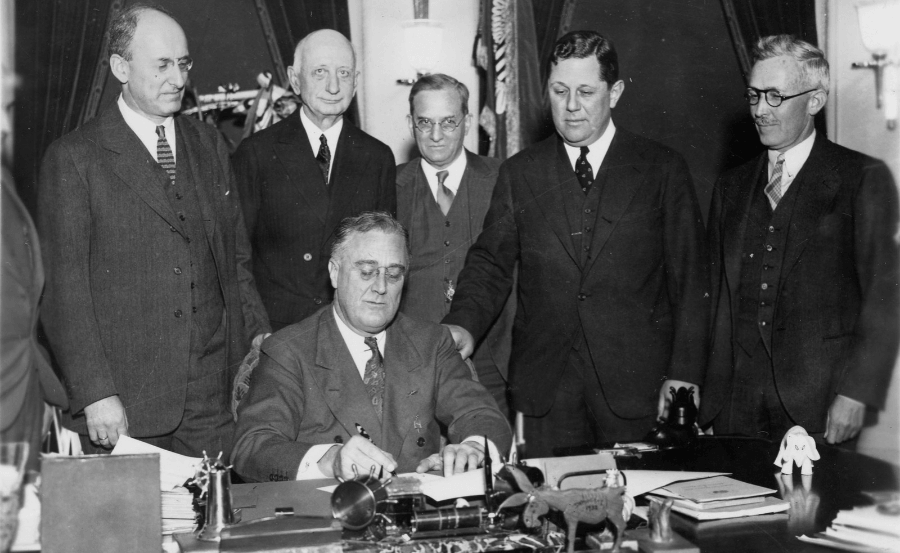
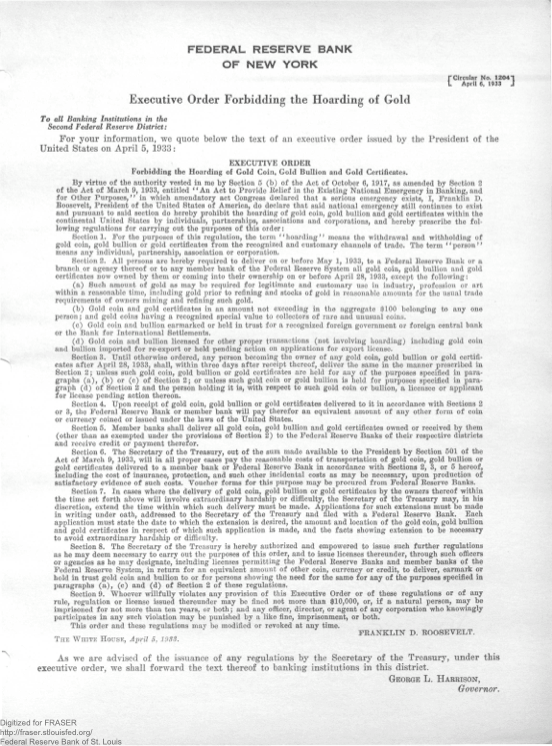
On April 5, 1933, President Franklin D. Roosevelt signed Executive Order 6102. It generally required individuals and businesses in the continental U.S. to deliver the covered gold to a Federal Reserve Bank or a member bank by May 1[1].
The order exempted:
- Up to $100 per person in gold coins and gold certificates combined
- Certain gold used in industry, the professions, or the arts
- Coins of recognized collector value[1]
Owners received dollars at the official rate of $20.67 per fine troy ounce[2].
Why did the U.S. restrict private gold ownership?
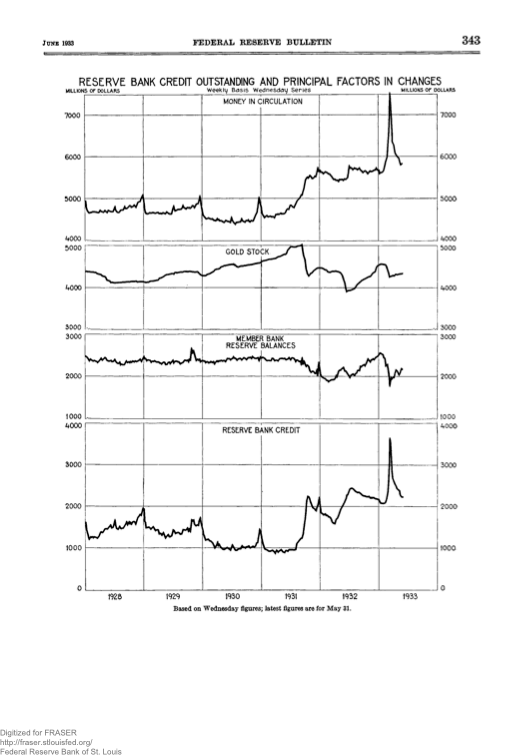
The U.S. government restricted private gold ownership to slow the drain on bank reserves and give policymakers more room to expand the money supply.
As banks came under pressure in 1933, people withdrew gold, draining reserves and making it harder for banks to meet demands for cash and keep lending[3].
Broad private ownership resumed on December 31, 1974, under Public Law 93-373[5].
How much gold was confiscated in 1933?
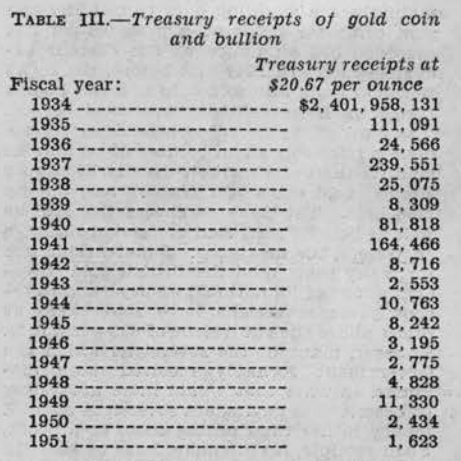
The U.S. Treasury received about 116 million fine troy ounces of gold in fiscal 1934. It recorded those receipts at about $2.4 billion, using the official price of $20.67 per fine troy ounce. The total includes transfers from the banking system and gold collected under multiple orders[2].
What did the Treasury do with the gold?
The Treasury took ownership of the Federal Reserve’s gold and issued dollar-denominated gold certificates in return[6]. Raising the official price from $20.67 to $35 increased the dollar value of the government’s gold reserves. Part of that gain funded the Exchange Stabilization Fund, which the Treasury could use to buy and sell foreign currencies[7].
Can the U.S. government confiscate gold again?
Yes, the U.S. government could confiscate gold again, but it would require a legal basis under the laws in force at the time.
In an individual case, a court can order forfeiture of property tied to certain federal crimes after a conviction. That authority can reach gold just as it can reach other property covered by the forfeiture statute[8].
A nationwide surrender order would face different legal limits today. Roosevelt used the Trading with the Enemy Act during a banking emergency in peacetime[9]. Today, the law’s provision for restricting gold applies during wartime[10].
The International Emergency Economic Powers Act gives the president separate powers to address threats from abroad[11]. However, its confiscation provision targets property of foreign parties involved in hostilities against the United States[12].
To issue a 1933-style order in response to a domestic banking crisis today, a president would need a different source of legal authority.
What economic conditions made the 1933 order possible?
In 1933, the dollar’s link to gold turned a loss of confidence in banks into a drain on the reserves underpinning the currency[3].
Domestic redemption ended in the 1930s[13], and the U.S. closed the remaining avenue for foreign monetary authorities to exchange dollars for gold in 1971[14].
Today, a rush to buy bullion can push up its market price without creating a claim on government gold reserves. Requiring owners to turn in gold would serve little of the monetary purpose it served in 1933.
What risks are gold owners more likely to face?
- Theft: Gold kept at home can be stolen or lost, and a homeowners policy may cover only part of its value.
- Custody: A professional vault brings its own considerations, including who holds the metal, how owners document their title, and what the insurance covers.
- Insurance: Storage and insurance fees can also add up over a long holding period. Those costs and responsibilities vary across the different ways to store gold.
- Fraud: The Commodity Futures Trading Commission and the Financial Industry Regulatory Authority warn that some dealers use claims about safety to sell overpriced coins or charge excessive fees[15].
- Dealer spreads: Even in an ordinary transaction, a dealer’s selling price can be higher than the price it would pay to buy the same coin back.
- Resale: That gap can turn an immediate resale into a loss even if the spot price hasn’t moved[15]. A falling gold price or the need to sell quickly can further reduce what an owner receives.
Can you protect your gold from confiscation?
No, there’s no guaranteed way to protect your gold from a future confiscation order. As in 1933, any future measure would define which holdings it covered and what it exempted.
The 1933 order offers a historical example of how those rules worked.
Is it worth buying pre-1933 gold coins?
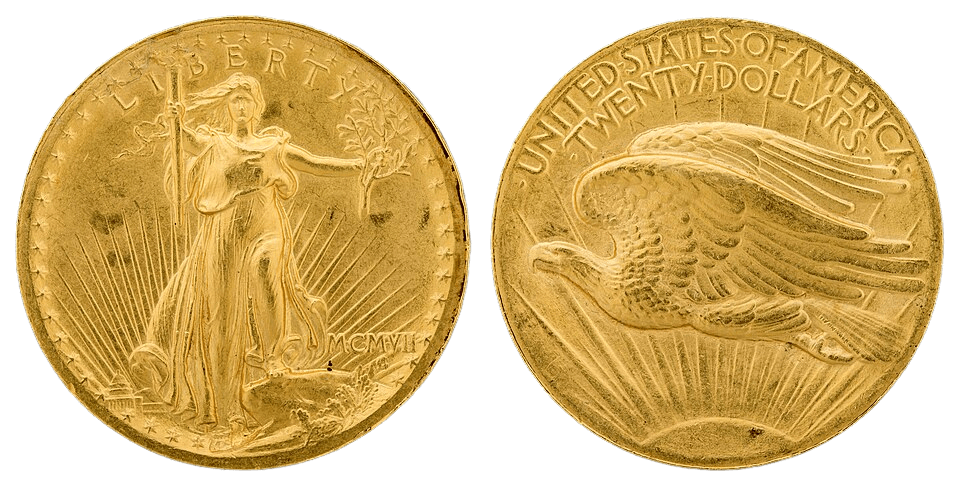
Pre-1933 gold coins may be worth a premium to collectors who value their rarity or history. If you’re considering them for protection from confiscation, the terms of any future order would determine whether they qualified for an exemption.
The April 1933 order exempted rare and unusual coins with recognized collector value. A coin’s age alone didn’t qualify it for that exemption.
Does it matter where you store your gold?
Yes, where you store your gold can affect which laws apply, and who holds it can affect who has to comply with a surrender order. Executive Order 6102 covered certain gold holdings in the continental United States[1].
Under the broader restrictions that followed, Chase National Bank turned over a customer’s gold bars to the U.S. Treasury after he had entrusted them to the bank for safekeeping[9].
For gold held abroad, the effect of any future U.S. surrender order would depend on the order’s reach and the laws of the country where the gold is stored.
Compare the risks and benefits of holding physical gold
The decisions that gold owners face today are more concrete than the prospect of another surrender order.
- How quickly might you need the metal?
- Who has custody?
- What will it cost you to hold it over time?
Sources:
- https://fraser.stlouisfed.org/files/docs/historical/ny%20circulars/1933_01204.pdf
- https://www.govinfo.gov/content/pkg/GPO-CRECB-1952-pt5/pdf/GPO-CRECB-1952-pt5-13.pdf
- https://www.federalreservehistory.org/essays/roosevelts-gold-program
- https://fraser.stlouisfed.org/files/docs/publications/FRB/1930s/frb_061933.pdf
- https://www.govinfo.gov/content/pkg/STATUTE-88/pdf/STATUTE-88-Pg445.pdf
- https://www.federalreserve.gov/faqs/does-the-federal-reserve-own-or-hold-gold.htm
- https://www.federalreservehistory.org/essays/gold-reserve-act
- https://www.law.cornell.edu/uscode/text/18/982
- https://law.justia.com/cases/federal/appellate-courts/F2/71/669/1496168/
- https://uscode.house.gov/us/usc/119-142/t50/s4305/
- https://uscode.house.gov/us/usc/119-124/t50/s1701/
- https://uscode.house.gov/us/usc/119-124/t50/s1702/
- https://www.federalreserve.gov/faqs/currency_12770.htm
- https://www.federalreservehistory.org/essays/gold-convertibility-ends
- https://www.cftc.gov/sites/default/files/2024/03/Metals10Things_1.pdf