
We discusses the importance of sound money and the efforts to promote its use. We rank the various states, highlighting bipartisan support for honest money, and the battles to eliminate taxes on gold and silver. Where does your state fall?
Connect with Keith Weiner and Monetary Metals on Twitter: @RealKeithWeiner
Additional Resources
The Case for Gold Yield in Investment Portfolios
Podcast Chapters
[00:00:00]: Introduction to the importance of sound money
[00:02:07]: The history of the gold standard and its demise
[00:07:32]: The burdensome regulations on precious metals dealers
[00:09:02]: The impact of taxes and regulations on bid-ask spreads
[00:12:17]: Update on states removing sales tax on sound money purchases
[00:15:48]: Gold’s increasing popularity in countries experiencing inflation
[00:20:19]: Progress and setbacks in passing sound money bills in various states
[00:22:48]: Political gamesmanship in Maine to prevent Republican win
[00:27:46]: Misunderstanding the value of gold
[00:29:34]: Taxing gold vs. exchanging currency
[00:32:03]: The battle against capital gains tax
[00:36:47]: States focusing on removing taxes on gold
[00:38:10]: The potential for federal legislation
[00:44:36]: The Ineffectiveness of Constitutional and Moral Arguments
[00:49:51]: Top 10 States for Sound Money Policies
[00:54:36]: How to advocate for sound money legislation
[00:58:33]: Gold, silver, or Bitcoin
[01:01:04]: Monetary Metals
Additional Resources for Earning Interest in Gold
If you’d like to learn more about how to earn interest on gold with Monetary Metals, check out the following resources:
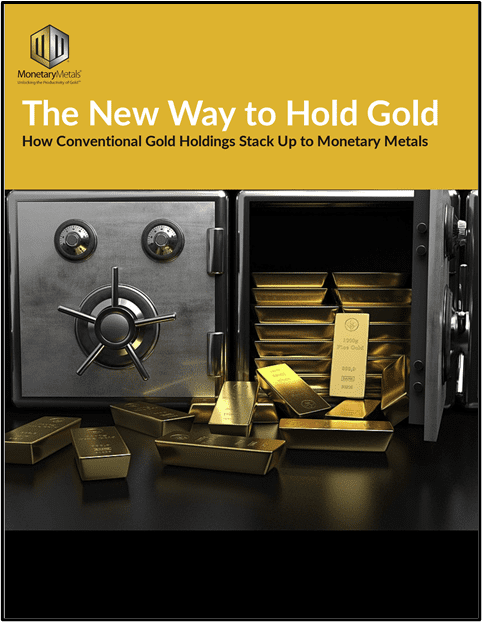
In this paper, we look at how conventional gold holdings stack up to Monetary Metals Investments, which offer a Yield on Gold, Paid in Gold®. We compare retail coins, vault storage, the popular ETF – GLD, and mining stocks against Monetary Metals’ True Gold Leases.
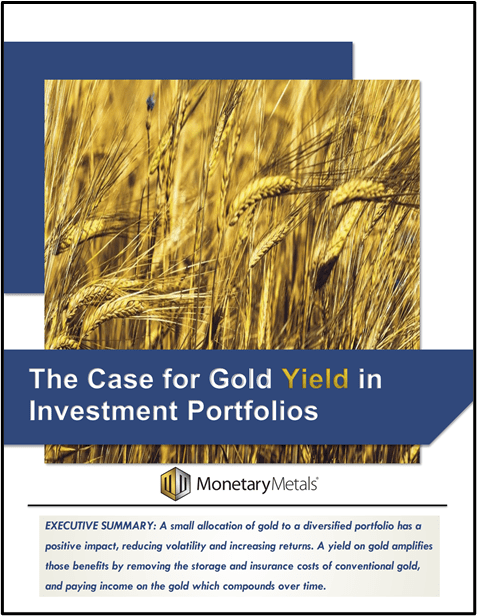
The Case for Gold Yield in Investment Portfolios
Adding gold to a diversified portfolio of assets reduces volatility and increases returns. But how much and what about the ongoing costs? What changes when gold pays a yield? This paper answers those questions using data going back to 1972.